Windshield glass does not ask permission before cracking. One day it is catching bugs on I‑74, the next it is starring out from a gravel ping like a spider web. That is when the second surprise hits: the insurance maze. Deductibles, claim types, calibration requirements, mobile service, shop scans, the difference between a $0 chip repair and a $600 replacement - it all moves quickly, and the order you make decisions in matters. I work with drivers around High Point every week, and the same questions come up over and over. This guide walks through what actually happens here in Guilford, Davidson, and Randolph counties, with the practical steps that keep money in your pocket and get you safely back on the road.
The three decisions that set everything in motion
The first minutes after you notice damage control what you will pay, how fast the work gets done, and whether your car’s safety systems behave afterward. Those decisions are simple but meaningful: repair or replace, insurance or out of pocket, mobile or in‑shop.
A small stone chip, no larger than a quarter and not directly in your line of sight, is a strong candidate for resin repair. Done correctly, it stops the crack from spreading and restores strength to the laminated glass. The cost in High Point runs roughly 75 to 140 dollars per chip, sometimes less when shops run a two‑for‑one special. Many carriers waive the deductible on a repair because it saves them far more than a replacement. If you call your insurer and ask, “Do you waive the deductible for chip repairs?” you will know in two minutes whether you are paying anything.
A long crack or a deep bull’s‑eye near the edge usually requires a full windshield replacement. This is where costs vary widely. A Toyota Camry with a rain sensor might land around 350 to 500 dollars with aftermarket glass. A newer SUV with acoustic glass, a heads‑up display, heated wiper park area, and a camera for lane assist can exceed 1,000 dollars in OEM glass. Most replacements on common models in the Triad fall between 300 and 700 with high‑quality aftermarket glass. Add ADAS calibration when the camera comes off, and you might see an additional 150 to 300, sometimes higher for specialized European models.
Mobile vs in‑shop looks like a convenience question, but on late‑model vehicles it also touches calibration. For basic vehicles without cameras, mobile auto glass in High Point is often the fastest path. The technician parks in your driveway or work lot, takes 45 to 90 minutes, and you are set. When ADAS calibration is required, mobile service still works if the shop has portable targets and the vehicle can sit on flat, well‑lit ground with proper clearances. Otherwise, in‑shop service saves time because the alignment bay is controlled and the scan tools are already on the bench.
How insurance actually treats glass in North Carolina
North Carolina treats auto glass under comprehensive coverage, not liability. There is no statewide no‑deductible glass rule like a few other states offer. Your comprehensive deductible is the first thing to check, and it is usually 100, 250, 500, or 1,000 dollars. If your deductible is higher than the quote, self‑pay wins. If the damage is minor and repairable, many carriers will waive the deductible fully for a resin repair. When the windshield must be replaced, you pay the deductible amount and the carrier covers the rest, including calibration if it is necessary for safe operation.
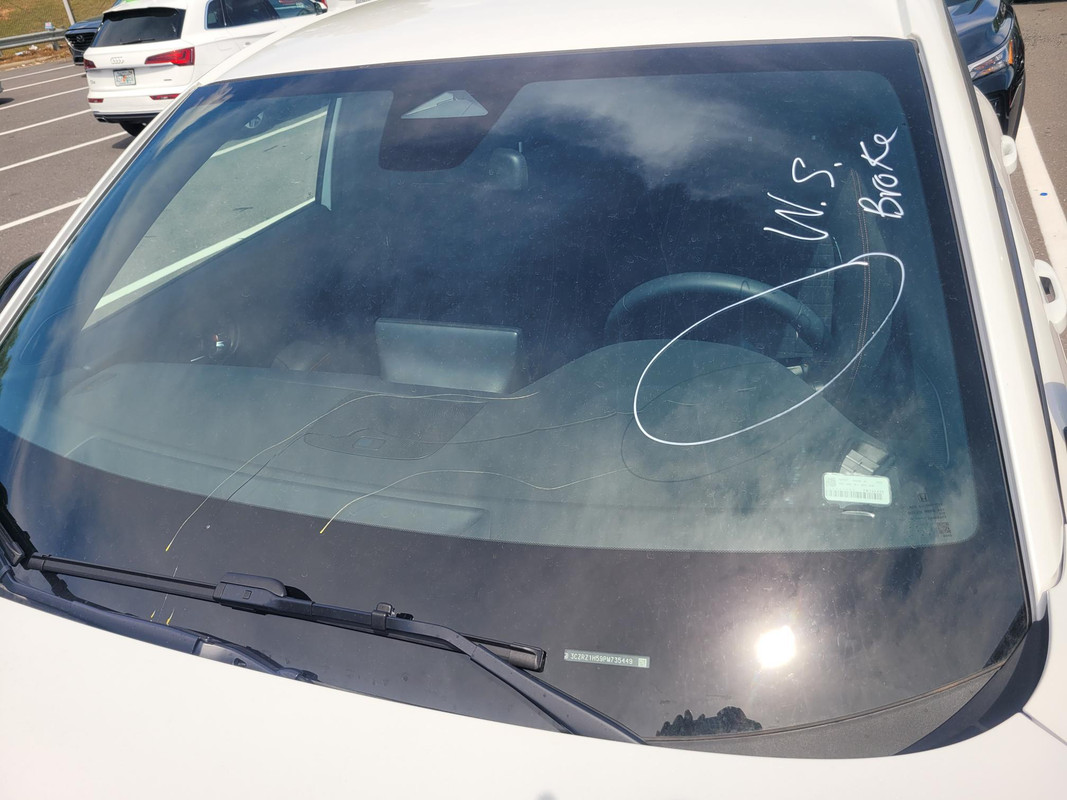
Insurers also care whether a replaced windshield requires a post‑install camera calibration. More policies now explicitly state that if the OEM requires calibration after glass replacement, it is covered as part of the claim. That is good news, but it comes with paperwork. Shops in High Point that know their way around these claims will include line items for pre‑scan, post‑scan, and dynamic or static calibration, each with calibration reports. Hand those to the adjuster, and approval usually follows without argument.
A common fear is, “Will a glass claim raise my rates?” In practice, a single comprehensive claim for glass rarely moves premiums because comprehensive is not fault‑based. Multiple claims in a short span can affect renewal pricing, but a windshield replacement on an otherwise clean file is not what triggers a rate spike. What carriers do watch is cost control. Choose a reputable shop, and they will keep your claim clean by using correct parts categories, verification photos, and VIN‑specific parts codes.
Deductibles: finding the break‑even
The math matters. If your Toyota Highlander windshield with lane departure camera prices at 475 for aftermarket glass and 200 for calibration, the total sits around 675. With a 500 deductible, your out‑of‑pocket through insurance would be 500. If the shop offers a self‑pay discount of 10 percent and you skip the claim, you might spend 608 or so. In that case, insurance buys you almost nothing except the paperwork. If you prefer OEM glass at 900 plus calibration at 200, total 1,100, the 500 deductible suddenly buys you 600 in carrier contribution, and a claim makes sense.
The exception is chip repair. If your carrier waives the deductible, there is no reason not to let them pay for the service. Some customers worry a repair will “count against them.” Carriers know a repaired chip prevents a higher replacement cost later. It is one of those rare win‑wins in insurance.
Working with third‑party administrators
Call your insurer about glass, and they may transfer you to a glass administrator. Safelite Solutions is the big one, but there are others. These administrators verify coverage, open the claim, and route you to a shop. You retain the right to choose your own shop under North Carolina law. If you have a preferred shop, tell the administrator, “I’m choosing my own shop, please note my selection.” Then contact the shop directly. A good High Point auto glass repair business will handle the rest of the claim, including submitting invoices and calibration reports.
Steering is illegal. The administrator cannot require you to use a particular vendor, although they can explain network benefits or warranty differences. In practice, reputable independent shops in High Point match or exceed national network warranties and are happy to put that in writing.
Repair quality: aftermarket vs OEM, sensors, and acoustics
Glass quality is not just about the brand etched in the corner. The questions I ask when a customer wants to compare options are straightforward: does your vehicle need acoustic attenuation, a heads‑up display, a heated wiper area, an IR coating, or a camera mount specific to a trim level? If yes, we pull a build sheet by VIN to confirm part numbers. Many high‑quality aftermarket windshields include the same features and meet DOT standards. Some even come from the same factories that supply automakers, just under a different label. Others look similar but do not carry the same optical clarity in the camera zone.
If you use lane keep assist, adaptive cruise, or automatic emergency braking, I lean toward OEM or top‑tier aftermarket brands with clear documentation for camera clarity. Optical distortion that you will not notice can still confuse a camera’s edge detection. I have replaced windshields that looked perfect to the naked eye but repeatedly failed calibration with a brand‑new camera. Swapping to OEM glass cleared the calibration on the first try. Does that happen every week? No. But on vehicles that are more sensitive - think Subaru Eyesight, some BMW and Honda systems - it is worth weighing.
Acoustic glass makes a noticeable difference on the highway, especially out on 311 at 65 mph. If your original windshield was acoustic, replacing it with standard laminated glass adds a persistent wind hush. Some people do not mind. Others notice immediately. The build sheet tells the truth.
The calibration question most people miss
ADAS calibration in High Point is not optional when the camera or radar is disturbed. Automakers publish position specs measured in millimeters, and a camera a few degrees off can translate into feet of error at road distance. The two common methods are static and dynamic. Static uses a large target board placed at measured distances in a level bay, with the vehicle on a flat surface. Dynamic uses a scan tool while driving at specified speeds and road conditions for a set time. Some vehicles require both.
What trips up scheduling is environment. Dynamic calibration wants clear lane markings and consistent speeds. A run along the I‑85 Business loop near High Point can work when traffic is steady. During rush hour or heavy rain, it fails. Static calibration wants a controlled bay with enough depth to place targets precisely. Not every shop has 30-plus feet of unobstructed space or the big‑ticket targets for every make. If you call a shop for windshield replacement in High Point and you have forward camera features, ask whether they handle ADAS calibration onsite and whether they provide a printout or digital report. The answer tells you how smooth your day will be.
Mobile auto glass in High Point, with eyes open
Mobile auto glass service in High Point is a lifesaver if you are juggling work at Market Center or kid pickups from Southwest Guilford. The main constraints are weather, surface, and power. Adhesives cure based on humidity and temperature. Most modern urethanes are safe drive‑away in 30 to 120 minutes within a certain temperature range. Good techs check their cure chart, document lot numbers, and set a safe drive time. If it is 38 degrees and raining, many of us reschedule or move to a covered parking deck. Rushing adhesive is not a risk worth taking.
For vehicles needing calibration, mobile service works well when the tech can perform a dynamic calibration afterward on a known route and road conditions cooperate. Static calibration is tougher in a driveway unless the shop uses portable stands and laser alignment tools with enough room. I keep a short list of vehicles that I prefer to bring into the shop for static only, because it saves time and frustration.
Side window replacement and why it feels different
Side windows are tempered glass, not laminated, so when they go, they shatter into thousands of beads. There is no resin repair. Replacement is straightforward but messy. A careful tech vacuums the door cavity, the seat tracks, and the floor channels to keep rattles from showing up a week later. Regulators sometimes get bent during a smash‑and‑grab. If you hear clicking or the window stutters, budget for a regulator or clips along with the glass. Insurance typically treats this as a comprehensive claim as well, and deductibles apply the same way.
On some models, the side glass is laminated for better theft resistance and sound. Those pieces are more expensive and heavier. Ask your shop which you had before, or expect a difference in sound profile if you change.
Hidden costs and how to avoid surprises
Where glass bills balloon is add‑ons. Molding kits, clips, rain sensor gel pads, rearview mirror mounting pads, and cowl removal labor all add small numbers that stack. A transparent estimate lists them outright. If you are price shopping for High Point auto glass repair, ask for an itemized quote with glass type, moldings, labor, shop supplies, calibration, and taxes. Cheap quotes that hide moldings end up equal or higher when the tech arrives and says, “We need a new trim kit.”
Sometimes the windshield sits behind a brittle cowl panel. On midsize trucks or older sedans, removing that cowl without cracking it is dicey. I warn customers when parts look aged and give an option: replace the cowl now, or sign off that we will reinstall carefully but cannot guarantee against existing brittleness. Most people appreciate being asked rather than surprised.
How the claim plays out with real numbers
Let’s walk a typical case. A 2019 Honda CR‑V with a crack spreading from a chip. The car has Honda Sensing, so the windshield holds the camera. The owner carries a 250 comprehensive deductible.
- The shop pulls the VIN and quotes 520 for aftermarket acoustic windshield, 180 for static calibration, 35 for moldings, 20 for supplies, tax included total around 755. Through insurance, the owner pays 250, the carrier pays 505. If the owner wants OEM glass, the windshield alone prices at roughly 830 in our market. Total moves to about 1,065. The owner still pays 250, the carrier covers 815. The shop schedules an in‑shop appointment because Honda often prefers static calibration with target boards. Time in shop: 2 to 3 hours, including cure time and calibration. The shop provides a pre‑scan, post‑scan, and calibration report with time stamps, VIN, and pass confirmation. Claim closes cleanly.
If the same CR‑V only had a small bull’s‑eye chip, we would propose a repair first. The carrier would likely waive the deductible, and the total out‑of‑pocket would be zero. If the owner chose to self‑pay for speed, they would spend under 120 and be out the door in 30 minutes.
Why timing matters with cracks
Cracks grow. Temperature swings around High Point can run 30 degrees in a day. Parked in sun for a coffee on North Main, then an afternoon thunderstorm, and a small crack becomes a long wandering line in hours. If you plan to claim insurance, you want the adjuster to see the damage while it is still in a definable category. Carriers authorize a repair for a small chip, not a 12‑inch crack that happened in the time it took to schedule. A quick call the day you notice damage sets your options before the crack decides for you.
Tape is not a fix, but a clean piece over a fresh chip keeps dirt and water out so the resin bonds better. Avoid car washes until a repair or replacement.
Local rhythms that keep the day smooth
High Point has its own pace. Morning appointments fill fast on Fridays because people want a single trip and a clean weekend. If your calendar is tight, midweek mid‑morning gives the best chance at short wait times, less phone volume with administrators, and a quick calibration drive loop. On mobile jobs, apartment complexes often require parking permission for service vehicles. A two‑minute call to the front office saves a lot of back‑and‑forth when a tech arrives.
If your car uses windshield washer heaters or a heated wiper park area, tell the shop. Those circuits run under the glass edge and can be damaged if a tech pries blindly. Not all VIN decoders flag heater options cleanly, especially if the car was sold in a northern package and then moved south.
What to ask a shop before you book
A short conversation with the shop reveals whether they will make your life easier. Here is a simple checklist to use on the phone.
- Will you verify the correct part by VIN and confirm acoustic, HUD, tint band, and camera mount before ordering? If my vehicle needs ADAS calibration, do you perform it in‑house and provide a report? What urethane adhesive do you use, and what is the safe drive‑away time for my appointment conditions? Is your estimate itemized, including moldings, clips, and supplies, and will you honor it unless we agree to a change? Can you work with my insurer or glass administrator directly so I do not have to file paperwork twice?
If the answers sound confident and specific, you have likely found the right partner.
A note on warranties and leaks
Every competent shop warranties workmanship against leaks and stress cracks for at least a year, often longer. Glass itself is usually warranted against manufacturing defects, not against new rock strikes. Leaks show up as wind noise at highway speed or damp headliners after a heavy rain. If you notice either, call immediately. Most fixes are quick - a trim clip reseated, a urethane bead topped up, or a cowl repositioned. Waiting lets water find wiring harnesses and complicate what could have been a 15‑minute fix.
Stress cracks are rarer now with modern adhesives but can happen if a body is slightly twisted during curing, say when a car is jacked improperly right after installation. Shops that insist on a flat surface and respect the cure time prevent those problems.
Saving money without cutting corners
There are places to economize and places to hold firm. Aftermarket glass from a reputable brand often saves 15 to 40 percent with no functional downside, especially on vehicles without complex HUD overlays. Moldings sometimes can be reused if they are flexible and intact, but if they are brittle, replacing them prevents wind noise that will drive you crazy later. Mobile service saves you time but should not be used if weather makes adhesive cure times uncertain. Skipping calibration to save cost is a false economy. If the manufacturer calls for it, and your vehicle has active safety features, you want it done and documented.
Some drivers carry a lower comprehensive deductible specifically for glass. If you are ordering a new policy, pricing the difference between 500 and 250 deductibles can be surprisingly small, and one windshield replacement over a few years can make up the gap. If your car has an expensive windshield - German luxury brands, high‑option trucks - that change is worth a quote.
Special cases: classics, commercial, and fleet
Classic cars in High Point often need glass that is no longer in routine warehouse stock. Lead times stretch, and gaskets replace modern urethane. Insurance may require photos and an appraisal for agreed value coverage before authorizing rare parts. The right glass shop will know how to source older gaskets and adjust their labor plan for rope‑in installs.
Commercial vehicles bring scheduling and uptime into the equation. Many fleets in High Point run early morning routes. A shop that offers pre‑dawn or late afternoon mobile slots keeps trucks rolling. Carriers often have fleet claim portals that pay net 30. Clear documentation and tax IDs smooth those payments.
A few lived‑in lessons from the Triad
- Gravel sections on Business 85 and construction zones on Wendover that change weekly deliver a steady diet of chips. If you commute there, a quick chip repair habit saves big. I have customers who stop by every six months for a 15‑minute repair while they grab lunch next door. Subaru Eyesight systems in our area tend to prefer static calibration in a controlled bay. Dynamic calibrations can be hit‑or‑miss on busy roads with inconsistent lane markings. Planning for shop time avoids redo drives. Summer humidity in High Point speeds some urethanes and slows others. The brand the tech uses matters because the safe drive time changes with weather. When a tech says you are safe to drive at 60 minutes, they should be holding a chart, not guessing. If you have an aftermarket tint strip or sun visor tint on your old windshield, tell the shop if you want it again. Windshields come with or without a factory tint band. People get attached to the look they had.
Navigating without hassle
Putting it all together, the least painful path is consistent. First, decide whether the damage is repairable or if you need a replacement. Second, check your deductible and whether chip repairs are covered with no out‑of‑pocket. Third, choose a shop that handles insurance coordination, itemizes parts and labor, and performs ADAS calibration with reports. Fourth, choose mobile or in‑shop based on your car’s features and the day’s weather. Finally, keep your paperwork - the invoice, scan reports, and warranty Windshield replacement High Point - in your glove box. If an issue pops up, you have everything you need.
High Point is a practical town. People want clear answers, fair pricing, and work done right the first time. With a good plan, you can turn a windshield headache into a tidy errand, get back on North Main, and let the glass do what it is supposed to do: disappear from your mind while you drive. And the next time a stone jumps up near Hasty School Road, you will know exactly which call to make and what to ask for.
If you keep one thing from this guide, make it this: small chips become big cracks faster than your schedule will allow. A quick repair is the cheapest insurance you will ever buy, and your future self will thank you the next time construction cones pop up overnight.